Uncategorized

I’m deficient, You’re deficient, We’re all deficient? (Part 2)

In  Part 1 of this article about nutrient deficiencies in the gluten-free population, I posed four critiques and questions that I promised to answer in today’s part 2. Without further ado, here we go…

Critique #1 questioned the small sample size of the research. I can’t do anything about that, and there’s not much to be said about it, so let’s move on.

Next, I think it’s easiest to address critique #3: How did nutrient deficiencies in the gluten-free population compare to Americans as a whole? To answer that question, I pulled data regarding nationwide averages from the USDA’s Community Nutrition Mapping Project. If I amend yesterday’s table that showed the percent of the gluten-free population who are deficient in given nutrients, and add to it a column for the national averages, this is what you find:


Nutrient GF Deficiency Nationwide Deficiency
fiber 74% 92%
calcium 82% 69%
thiamin 59% 19%
riboflavin 25% 11%
B6 35% 26%
folate 85% 40%
B12 29% 20%
iron 41% 11%


These numbers change the perspective a bit, I think. It’s not simply that the gluten-free population is nutrient deficient. When you compare us to the national averages, it gets slightly more complex. In some cases, such as folate, riboflavin, thiamin, and iron, we’re two or more times as deficient (as a group) than the nation. However, in other cases, such as B12, B6, and calcium, we still have greater rates Read More »

Namaste Foods Gluten Free Bread Mix Review

Recently I made a loaf of bread using a bag of Namaste Foods Gluten Free Bread Mix. I bought this on sale at some point, and it subsequently sat in the pantry for a while. I’m not sure how long, but there’s another 8 months to go until the use-by date, so I’m not worried. I like to have stuff like this on hand because sometimes I get in the mood to eat bread, and that usually means I have to make it myself. This time, I was also in desperate need of clearing out some pantry space, so making this mix was the easy answer.
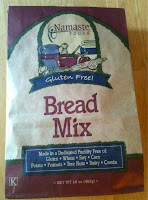
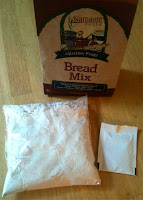
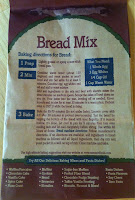
This is the third loaf of gluten free bread I’ve made from a mix (Pamela’s and Bob’s Red Mill were the other ones I tried), and it did fairly well. It rose way more than I thought it would, but it was still heavy and moist the first day, only to very quickly dry out by the third day after baking.

The bread mix consists of a flour blend made from brown rice flour, Read More »

Everyone on a Gluten Free Diet?

I have thought for a long time about this very question.  Who would suggest such a thing?

I would. The main reason I would dare to make such a statement is because we have been so negligent in recognizing and treating people with celiac disease.  Not a day goes by that I don’t hear about or speak to someone directly who has suffered needlessly for years.  The other main point I want to make is that NONE of the currently available testing is 100%.

The blood tests and endoscopic biopsies are great tools if they are positive. If they are negative, I have heard of too many people tell me ‘I don’t have celiac disease, my blood test/biopsy was negative’.  This is a major cause for concern to me.  Both of these tests do not confirm you don’t have, or will never develop celiac disease.  First, neither test is 100% reliable.  Second, both tests are simply a snapshot Read More »

Gluten Free Diets May Reduce Autistic Behavior


The CDC’s Autism and Developmental Disabilities Monitoring (ADDM) Network released data in 2007 that found about 1 in 150 (8-year-old) children in multiple areas of the United States had an Autism Spectrum Disorder (ASD). The number of diagnosed cases of autism is on the rise; the reason(s) for this is unclear.   Autism knows no racial, ethnic or social boundaries.  Family income, lifestyle, and educational levels do not appear to affect the chance of occurrence.

Fortunately, dietary changes can make a significant change in people with autism.  Research is profound on the positive impact that a gluten and casein free diet can make on children with autism.  Gluten and/or casein free diets have been implemented to reduce autistic behavior, in addition to special education, since the early eighties {Autism, Vol. 3, No. 1, 45-65 (1999)}.  The scientific studies include Read More »

Lactose Intolerance: What Is It And How Is It Diagnosed?

Lactose, commonly known as “milk sugar”, may not be digested well if you are either born with absent or low levels of the enzyme lactase or if your intestine has been injured resulting in absent or low levels of lactase. Lactose is a disaccharide or two sugars linked. It is a combination of the two sugars, glucose and galactose. If intestines lack or are deficient in lactase you will not adequately digest lactose and you will experience gas, bloating, abdominal cramps and diarrhea shortly after eating something containing lactose.

The lactase enzyme is on the surface of the intestine cells where it is very vulnerable to intestinal injury. Some people are born with absent or low levels of lactase, therefore have congenital alactasia or hypolactasia. Between 80-100% of people of Asian, Native American, or African ancestry are lactose intolerant for this reason compared to only 15% of those of Northern European ancestry. Read More »

Gluten Sensitivity (Non-Celiac Gluten Sensitivity)

Gluten Sensitivity is an umbrella term defined as “any and all problematic health responses to gluten in any body system.” (Recognizing Celiac Disease, p. IX)

Anyone can experience Gluten Sensitivity as a normal immune response to the abnormal presence of gluten in blood or body tissues.

Non-Celiac Gluten Sensitivity can develop if gluten, or rather, harmful partially digested fragments of gluten, wrongly pass through the small intestinal lining into our bloodstream.  From the blood, these protein fragments can harm any of our body tissues.

Factors Leading to Gluten Sensitivity Reactions

Two important factors that may subject non-celiac people to a gluten sensitivity reaction are high gluten load, and increased permeability of the small intestinal lining, also called “Leaky Gut Syndrome.”

1.  High Gluten load

A high gluten load simply means we are eating a diet that contains too much gluten. Of course, the more gluten we eat, the greater is the risk of protein fragments entering our bloodstream.

2.  Increased Permeability of the Small Intestinal Lining (Leaky Gut Syndrome)

Gluten may drive the immune system, even outside the gastrointestinal tract (extra-intestinal), to cause other diseases that we don’t call celiac disease, but which are still derived from gluten.1 Studies reveal extra-intestinal manifestations with positive blood tests for anti-gliadin antibodies without evidence of celiac disease.  This finding indicates gluten entering the bloodstream via increased membrane permeability of the small intestine.

Increased Intestinal Permeability (Leakage)

Increased permeability of the small intestinal lining, also called hyperpermeability, refers to alteration of the complex barrier system that separates what’s in our gut from the rest of our body. This protective system determines what substances may be allowed to cross from the inside of our small intestine to our bloodstream. An abnormal barrier allows harmful substances to “permeate” into deeper layers of the intestinal wall and into the bloodstream.

The major defense of the barrier system against permeation by harmful substances is comprised of tight intercellular junctions. Tight junctions (TJ) refer to the regulated spaces between enterocytes (cells forming the surface lining of our small intestine), causing these cells to closely adhere to each other, side-by-side. Disruption of TJ allows harmful substances such as gluten fragments to slip through them.

Only a single layer of epithelial cells separates the contents of our small intestine from the lamina propria (underlying tissues of the small intestine) and the rest of our body. Breaching of this single layer of cells can expose effector immune cells located in the lamina propria to a myriad of microorganisms and food antigens, leading to immune reactions.2

Breakdown of the barrier is implicated in the pathogenesis (development) of acute illnesses such as bacterial translocation leading to sepsis and multiple organ failure. It also has been implicated in several auto-immune disease, including Celiac Disease, Type I Diabetes Mellitus, Autism, Inflammatory Bowel Disease, and atopic disorders such as Asthma, Rhinitis, Eczema, and Allergies.3

Factors Other Than Gluten That Disrupt Tight Intercellular Junctions?

  • Gastrointestinal infections from microbes such as rotavirus, parasites, pathogenic bacteria (Escherichia coli, Clostridium difficile toxins), and mycotoxins (toxins produced by fungi found in stored grain and dried fruit).
  • Fats such as rancid fats, sodium caprate, a medium-chain fat, and sucrose monester fatty acid, a food-grade surfactant, induce significant disruption.
  • Foods such as alcohol, lactose, caffeine, paprika, cayenne pepper, refined carbohydrates, some food preservatives and food additives.
  • Medications such as oral antibiotics, NSAIDS (eg, Aspirin, Advil), corticosteroids, and oral contraceptives.
  • Psychological stress, oxidative stress
  • Intense exercise
  • Aging

Restoring Tight Intercellular Junctions

Correction of the factors that cause Tight Junction disruption and eating a gluten-free diet with foods that have been shown to restore Tight Junction function after injury, such as:

  • EPA and gamma linolenic acid (omega-3 fatty acids).
  • Butyrate  (a short-chain fatty acid).
  • Glutamine (an essential amino acid).
  • Black pepper and nutmeg.

Health Problems That Can Develop?

Mild problems that may come and go include irritability, sluggishness, tiredness, achiness, the “blues”, fatigue, and disinterest in things that should cause interest. With less mental acuity and drive, a person with these symptoms may feel like a “couch potato.” Others may say things like, “What’s got into you?” or “You never want to do things anymore.” Or “You don’t take care of the house like you used to do.” Children may not pay attention, whine or cry alot.

Gluten can wreak havoc throughout the body if leakiness is severe or prolonged. Gluten can affect the mind causing problems like depression and anxiety. Thinking difficulties may develop such as poor attention, judgment and memory or outright confusion. Behavioral problems may include hyperactivity or inappropriate social interaction. In some people, psychotic symptoms can develop which may be reversed on a gluten-free diet. Read more…Symptom Guide.

Gluten Can Have a Harmful Effect on the Mind

When gluten is broken down in the intestines during digestion, peptides are formed.  Certain peptides, called Gluten Exorphine and Gliadorphin, mimic the effects of morphine on the brain if they abnormally enter the bloodstream.  People who are unable to break down these peptides may experience mental health problems.

The same gut-brain mechanism that allows oral medications used to treat mental problems, such as depression, to enter the brain also allows gluten to enter. Neuoroactive compounds [substances that affect the brain] derived from within the intestine can permeate either diseased or healthy mucosa, cross the blood-brain barrier and cause psychiatric, cognitive and behavioral disturbances.4 Both gluten and beta-casein in milk are neuroactive compounds that cross the intestinal lining into the bloodstream and cause the mental symptoms in susceptible people such as autism and schizophrenia.  When gluten is the cause of schizophrenia, studies show that symptoms disappear in 2 weeks but will reappear in 3 days if gluten is again ingested.

What other problems can develop from gluten in the bloodstream?

Wherever gluten goes, it alarms our immune system to react because it damages any tissue it touches. When our body surrounds and encloses it, we form granulomas. These hard nodules can develop in the liver, joints, and skin. Granulomas are like pearls formed by an oyster. Our body encapsulates gluten to keep it from hurting our tissues much like an oyster does a grain of sand that lodges inside of it.

The longer we eat gluten, the greater is our risk of developing other auto-immune disorders such as, Alopecia Areata (hair loss), Psoriasis (skin disorder), Addison’s Disease (adrenal gland disorder), Grave’s Disease (hyperthyroid disorder) and Auto-immune Hepatitis (liver disorder).

In auto-immune disorders, the development of anti-gliadin antibodies may be attributed to the response to food protein [from gluten] and is often not closely related with Celiac Disease. 1

What should I do if I think I have this problem?

If you suspect you have this problem, see your doctor.  He may want to rule out Celiac Disease because Leaky Gut Syndrome is a part of this disorder.  In either condition, blood tests for anti-gliadin antibodies can be done that specifically test for gluten.  Other tests that determine Increased Intestinal Permeability (Leaky Gut) include Breath Hydrogen Test and Sugar Absorption Test.  Both of these tests are simple. Read more…Diagnosis and Testing

____________________________________________________________________

  1. Kamaeva OL, Reznikov IP, Pimenova NS, Dobritsyna LV. Antigliadin antibodies in the absence of celiac disease.
  2. Fahardi A, Banan A, Fields J, Keshavarzian A. Intestinal barrier: an interface between health and disease. Journal of Gastroenterology and Hepatology. 2003; 18: 479-497.
  3. Liu Z, Li N, and New J. Tight Junctions, leaky intestines, and pediatric diseases. Acta Pediatrica, 2005;94:386-393.
  4. Wakefield AJ, Puleston JM, Montgomery SM, Anthony A, O’leary JJ, Murch SH. Review article: the concept of entero-colonic encephalopathy, autism and opiod receptor ligands. Blackwell Science Ltd, Aliment Pharmacol Ther. 2002; 16:663-674.

Old Fashioned Stomped Lemon-ade

This tangy, refreshing lemon-ade has stood the test of time not just for extracting loads of vitamin C from the rind, but for exceptional taste. Someone can always be found to do the stomping, especially children. Makes a quart. New wooden stompers can be easily bought, or have fun looking for the old, turned ones found at garage sales or flea markets.

Ingredients
  • 1 large fresh lemon
  • 1/2 cup Gluten Free Works fructose
  • 1 quart of fresh water
Equipment

A heavy glass pitcher and a wooden stomper.

Process
  1. Scrub the lemon with baking soda on a clean wet cloth.
  2. Rinse well then cut into thin slices.
  3. Toss the lemon slices into the pitcher with the fructose.
  4. Stomp a few minutes until the juice is rendered, but not so long as to mash the rinds.
  5. Stir, add ice cubes and enjoy!

Recognizing Celiac Disease at Philadelphia College of Osteopathic Medicine

pcom-420091

April 22, 2009, Philadelphia College of Osteopathic Medicine. Cleo Libonati, RN, BSN presented “Celiac Disease Today” to a group of medical students at Philadelphia College of Osteopathic Medicine in Philadelphia, PA.

Libonati’s presentation was attended by first, second and third year students who had many questions about celiac disease symptoms and how to identify at-risk patients.

“It was very encouraging to see such an intense level of interest in celiac disease,” Libonati said afterward. “Specifically, these students wanted to know how they as doctors will see it, how they test for it and educational materials they could give to people with it.”

Student antendees received a complimentary copy of Recognizing Celiac Disease. Special thanks to Daniel Van Riper, president of the Nutrition Group for the invitation to speak and coordinating the event.

“Recognizing Celiac Disease” is the acclaimed guide to recognizing, diagnosing and managing celiac disease. Recommended by medical experts and national celiac disease support organizations, it is used by healthcare providers and patients in 15 countries.

For more information on Recognizing Celiac Disease, visit www.recognizingceliacdisease.com

Recognizing Celiac Disease – Your book is by far the best one we have found

Below is a recent message we received from someone who bought “Recognizing Celiac Disease.”

Thank you. My husband and I both have Celiac Disease and your book is by far the best one we have found in print on Celiac Disease. We love the format with the concise, current overview in the beginning and the detailed charts that make up most of the book. We refer to it on a regular basis as we research questions for ourselves, friends, family and others.

We shared your book with the head of the pathology dept. at our local hospital, our Celiac Disease support group members at our last meeting (and encouraged them all to purchase their own copies) and even with our dentist.

I wish there were a way to get your book to all of our local doctors since none of them are informed about Celiac Disease and few people are diagnosed in our area. My doctor had never dx’d a case of Celiac Disease before mine (I was on my deathbed 6 years ago), and our pediatrician has never dx’d a case!

I have proposed that our support group purchase books for all of our local gastroenterologists, providing you are not planning to publish an updated version in the near future.

If there is any way you recommend that our support group, or we personally, can promote your book please let us know.

Thank you again!

Suzanne Ludlam
Fairfax, VT

You can read more reviews Here!

Benedictine nuns discover way to produce low-gluten Communion hosts

By John Libonati

The article below describes low-gluten communion wafers for Roman Catholics. The wafers were tested by Dr. Allessio Fasano at the University of Maryland Celiac Disease Center to contain .01% gluten. He did mention that the machine performing the test could only test to .01% and the wafers may, in fact, contain less.

Note: The contact information for ordering low-gluten hosts is: Congregation of Benedictine Sisters of Perpetual Adoration, Altar Breads Department, 31970 State Highway P, Clyde, Missouri 64432. Phone: 1-800-223-2772.

Benedictine nuns discover way to produce low-gluten Communion hosts
——————————————————————————–
By Dan Madden
Special to the Catholic Key
——————————————————————————–
 
Sister Jane Heschmeyer and Sister Lynn Marie D’Souza sort through and bag some of the low-gluten hosts at the Benedictine convent in Clyde on March 31. 

CLYDE – The small, paper-thin flakes are the texture of potato chips but not nearly as fattening. They aren’t sweet or nutritious and would fail miserably in the snack-food market. Yet thousands of people across the country, and even the United States Conference of Catholic Bishops, are singing their praises.

These unexciting wafers are the result of more than a decade of trial and error by the Benedictine Sisters of Perpetual Adoration to develop an altar bread that is safe for consumption by sufferers of celiac disease, yet also remain in compliance with the strict guidelines of Canon Law. Celiac disease is a digestive disorder triggered by gluten, a protein found in wheat, barley and other grains. It affects about one in 130 Americans. The Vatican requires that Communion hosts contain some gluten, an essential ingredient in bread, but no one had discovered how to make an edible host with a low-enough gluten level to be considered safe for celiac sufferers. That is, until a little over a year ago, when a pair of Benedictine sisters, all but defeated by years of failure, did something no one had ever done.

“It was definitely the Holy Spirit at work that night,” Sister Jane Heschmeyer recalls.

The sisters at Clyde, who have been making altar bread for nearly a century, began receiving pleas from celiac sufferers 15 years ago. For a brief time the sisters offered altar bread with somewhat lower gluten content, but it was still too much for most people with the disease.

Facing the legal risk of marketing bread with marginal gluten levels to celiacs, an inability to find common ground between church law and celiac sufferers, and the cost of research and production, the sisters discontinued the bread. But Sister Jane couldn’t let it go. For several years she carried on alone, experimenting with recipes and conducting exhaustive research.

“I was studying the canons and gathering information,” she said. “I was in touch with the celiac association, grain specialists, the USDA, doctors, lawyers, everybody I could think of.”

Meanwhile the phone kept ringing. “Please keep trying,” a woman would plead. “My son is having his first Communion. Is there anything you can do?” a father would ask.

Sister Jane’s resolve grew stronger with each call.

The church has long said that celiac sufferers may fully receive the Eucharist in the form of wine, but even the small bit of host a celebrant drops into the wine can be harmful to many. In addition, Dennis McManus, associate director of the U.S. Bishops’ Secretariat on Liturgy, noted that some people with celiac disease also suffer from a cross-allergy to wine.

The issue made national headlines in 2001 when the parents of a 5-year-old Boston girl with celiac disease left the Catholic Church after their pastor and subsequently Cardinal Bernard Law would not allow them to substitute the wheat host with a rice wafer for her First Communion.

Furthermore, the church has ruled that a priest who is unable to receive the Eucharist in both species “may not celebrate the Eucharist individually, nor may he preside at a concelebration.” The church further warned that bishops must “proceed with great caution before admitting to Holy Orders those candidates unable to digest gluten or alcohol without serious harm.”

There are no statistics available on how many Catholics are affected by celiac disease. But Dr. Alessio Fasano, the University of Maryland researcher whose ground-breaking study last year revealed that the disease is far more prevalent than previously thought, told The Catholic Review, newspaper of the Archdiocese of Baltimore, “If there are about 300 people in church for Mass on Sunday, then we now know that two or three of them at least are likely to have celiac.”

Alessio, a Roman Catholic, found that more than 2 million Americans suffer from the disease, which he contends is often misdiagnosed. What was once considered a rare condition is twice as common as Crohn’s ulcerative colitis and cystic fibrosis.

Celiac disease can be life threatening. Left untreated by a gluten-free diet, it can lead to osteoporosis, malnutrition, central and peripheral nervous system disease, pancreatic disease, internal bleeding, damage to internal organs, gynecological and fertility problems, and even some forms of cancer. It may impact mental functions, and can aggravate autism (including a common autism spectrum disorder called Asperger’s syndrome), attention deficit disorder, and even schizophrenia.

Sister Jane gained a study partner in 1999. Not long after joining the postulancy, Sister Lynn Marie D’Souza happened upon Sister Jane experimenting in the kitchen and offered to help.

“She didn’t have a scientific background,” Sister Lynn said with as much mock hauteur as the friendly and engaging nun can muster. The young postulant, who came to Clyde with a degree in biomedical science, left the kitchen that night enthralled. She was soon assigned to the altar bread department where she fielded phone calls from celiac suffers.

There were people calling who, against doctors’ orders, were taking Communion at a risk to their health.

“One woman who was 40 years old had been diagnosed and had to give up Communion,” Sister Lynn said. “She asked me, ‘How can I give that up?'”

Another mother called about her 18-year-old daughter who had recently received the bad news.

“My daughter is on a gluten-free diet and that’s not easy,” the woman told Sister Lynn. “She can’t eat the same things as her friends. But she never complains about that. The only thing she complains about is that she can’t receive the Eucharist.”

“Imagine,” Sister Lynn said. “An 18-year-old girl who is so in love with her faith and wants to practice it, and she can’t.” Wheat starch and water. That’s what the sisters had to work with. Flour was out of the question.

But Sister Jane says experiment after experiment was a lesson in frustration: “Either the batter couldn’t be stirred or it would come out like plastic.”

The two nuns cooked and consumed hundreds of batches. Every one tasted terrible.

“It was like eating .” Sister Lynn said, grasping for the right words, “it was like eating starch!”

With permission from their superiors, last year the pair, who had since been joined by a novice, Kathy Becker, delved more deeply into their work, which included making a call to McManus at the USCCB liturgy office.

“They were thrilled to hear we were working on this,” Sister Lynn said. “They’d been working on it too, and they sent us what they had.”

But there was a catch. The bishops’ eager support came with a July deadline.

With only a couple of months to go, Sister Lynn’s experimenting took on more urgency, while her hope faded.

“I’d been working with two different starches,” she said, holding back an inevitable smile. “One of them was a mess. It ran all over the cooking plate, and it came out like lace. With the other starch I could get something that looked like a host, but it tasted terrible and it was rubbery. I was about ready to give up.”

Sister Jane joined her later that night and with utter disregard for scientific methodology, said, “Why don’t we just mix the two together?”

The result was even more horrifying.

Sister Lynn declared the batter a failure. “It was sticky and horrible. We couldn’t get it off the spoon or our fingers.”

In frustration she globbed the epoxy-like mess onto the waffle iron, and the two began cleaning up. Before turning out the lights, Sister Lynn realized she’d forgotten to clean the gunk off the waffle iron.

“When I opened it, there was this perfect bread – well, perfect in our world,” she said with a laugh. “We had tasted a lot of horrible breads.”

But what they gazed upon in disbelief was a round wafer, baked evenly, with a nice texture and crispness.

“We were speechless,” Sister Lynn recalled.

Like a pair of monastic mad scientists, they immediately gobbled down their creation.

“It was delicious,” Sister Jane said, reliving the excitement a year later. “It was crisp, light and it tasted good. Personally, we think it tastes better than our regular altar bread.”

Gluten content: .01 percent.

Safe enough, according to Fasano and other medical experts, for consumption by almost all celiac suffers. But would it pass the scrutiny of the church’s hierarchy?

The answer came last July. The recipe had been approved by the Vatican, and subsequently by the U.S. bishops, as part of a new set of norms for celebrating the Eucharist. The U.S. Bishops’ Committee on the Liturgy deemed the sisters’ bread “the only true, low-gluten altar bread . approved for use at Mass in the United States,” with a lower gluten level than a host developed recently in Italy and approved by the Vatican and the scientific committee of the Italian Celiac Association. The sisters also have applied to the U.S. government for a patent on their recipe.

Fasano called the sisters’ accomplishment “very wonderful news,” but added that celiac sufferers should still consult with their doctors before consuming the new hosts. In rare cases even .01 percent is still too much.

There probably won’t be a financial windfall from the sales of low-gluten bread. Novice Kathy is baking about 1,600 hosts a week, although as word gets out sales are expected to increase.

But both Sister Jane and Sister Lynn said profits were never the point. What motivated them through the long nights of research, what enabled them to force down awful-tasting failure after awful-tasting failure, were the phone calls, letters and e-mails from people of faith longing for the Body of Christ in both species.

“It is such a joy,” Sister Jane says of the response from celiac sufferers.

“We hear over and over again how much people appreciate what we have done, but I want to thank them,” Sister Lynn said. “This has been such an inspiration. To witness their desire has increased my own desire for the Eucharist.”

Recently the mother of a 12-year-old boy with celiac disease called the sisters.

Her son, she said, talked all the time about being a priest some day, but she never had the heart to tell him that door was probably closed because of something beyond his control.

“When I learned of your bread,” she said, “I knew the door was open again.”

———————–
“Author Information: John Libonati, Philadelphia, PA
Publisher, Glutenfreeworks.com.
Editor & Publisher, Recognizing Celiac Disease.
John can be reached by e-mail here.”