Skip to content

Delayed Puberty In Girls 

sick woman on bed, symptom of cold, flu, insomnia, stress, headache, hangover, dizzinessWhat Is Hypokalemic Rhabdomyolysis?

H ypokalemic rhabdomyolysis is an acute and sometimes fatal disease due to its rapid progression of muscle destruction when untreated.

It is characterized by the accumulation of by-products of skeletal muscle destruction in the renal (kidney) tubules and producing acute kidney failure caused by rapid potassium loss.

This condition puts you in bed because the legs muscles cannot support the body and arms are too weak to move.

What Is Hypokalemic Rhabdomyolysis In Celiac Disease and/or Gluten Sensitivity and Dermatitis Herpetiformis?

Dysgeusia (Impaired Taste)

DyspareuniaWhat Is Autoimmune Thyroiditis (Hypothyroidism)?

A utoimmune thyroiditis, also called Hashimoto’s thyroiditis or Hashimoto’s Disease, is an autoimmune destruction of thyroid tissue characterized by insufficient thyroid hormone circulating in the body that causes formation of a goiter (enlarged thyroid gland) and hypothyroidism.

Hypothroidism refers to the condition of markedly reduced secretion of thyroid hormone. There are other causes of hypothyroidism besides Hashimoto’s thyroiditis.

Hashimoto’s thyroiditis is often associated with other autoimmune diseases such as celiac disease.

In Hashimoto’s thyroiditis, a profusion of antibodies are produced, which build up in the blood. Left untreated so that much of the thyroid gland is destroyed, this condition may progress to the very serious and life-threatening condition called myxedema.

Note: In myxedema, protein, electrolytes, and water abnormally accumulate in between cells which produce firm, inelastic puffy skin that is cool, dry, rough, scaly, and may appear yellow; in some people, areas such as the ankles become crusty with a look of tree bark. Many systemic changes develop shown by significant slowing of mental and physical functions. Please see below.

Q: What thyroid tissue is targeted for destruction?

A: In Hashimoto’s thyroiditis, high levels of autoantibodies target thyroglobulin and thyroid peroxidase, leading to inflammation and destruction of the thyroid gland. The resulting fibrosis or scarring of the gland results in lack of thyroid hormone production.

The thyroid gland consists of a large number of closed vesicles that contain a homogenous substance called colloid, which contains the thyroglobulin. Thyroglobulin is an iodine-containing protein secreted by the thyroid gland and stored within its colloid, from which the thyroid hormones thyroxine (T4) and triiodothyroinine (T3) are derived.1

T3 is the active hormone and is made from T4. Thyroid hormones affect metabolism, brain development, breathing, heart and nervous system functions, body temperature, muscle strength, skin dryness, menstrual cycles, weight, and cholesterol levels.

Thyroid hormone production is regulated by thyroid-stimulating hormone (TSH), which is made by the pituitary gland in the brain. Normally, when thyroid hormone levels in the blood are low, the pituitary releases more TSH. When thyroid hormone levels are high, the pituitary decreases TSH production.

Hashimoto’s disease, with or without the development of hypothyroidism, is treated with synthetic thyroxine, which is man-made T4. Health care providers prefer to use synthetic T4, such as Synthroid® (Levothyroxine), rather than synthetic T3, because T4 stays in the body longer, ensuring a steady supply of thyroid hormone throughout the day. The thyroid preparations made with animal thyroid are not considered as consistent as synthetic thyroid.2

What Is Autoimmune Thyroiditis In Celiac Disease and/or Gluten Sensitivity?

Sources:

  1. Taber’s Cyclopedic Medical Dictionary. 19th ed. F.A. Davis Company. Philadelphia, PA. []
  2. National Endocrine and Metabolic Diseases Information Service. []

Hypogonadism In Adult Males That Is Unexplained  

Nail Anatomy. A. Nail plate; B. lunula; C. root; D. sinus; E. matrix; F. nail bed; G. hyponychium; H. free margin. Courtesy Wikipedia.org
Nail Anatomy. A. Nail plate; B. lunula; C. root; D. sinus; E. matrix; F. nail bed; G. hyponychium; H. free margin. Courtesy Wikimedia.org

What Are Rounded Nails With Curved Ends?

R ounded, curved, dark and dry nails are a well known feature of vitamin B12 deficiency.

Q: How does vitamin B12 deficiency cause the nails to grow this way?

A: Vitamin B12 deficiency affects the nail plate. The nail plate is the hard keratin cover of the finger tip and toe tip, simply called “the nail.” The nail plate is produced by the living nail matrix at its base.

What Are Rounded Nails With Curved Ends In Celiac Disease and/or Gluten Sensitivity?

Hair, Fine With Rough Texture

Inflamed Aorta. Courtesy Quizlet.com

What Is Aortic Vasculitis?

A ortic vasculitis is an inflammatory disease of the aorta that causes dilation of the aorta wall with narrowing of the inside passageway and results in widespread impairment of blood flow to tissues served by the aorta.

Q: What is the result of inflammatory disease of the aorta?

A: The aorta is the largest artery in the body. It extends from the left ventricle (lower chamber) of the heart and carries blood out of the heart with each beat to rest of the body. Narrowing of the aorta’s inside diameter due to swelling from inflammation causes elevated blood pressure and enlarged heart because of back pressure of blood unable to be fully pumped out of the heart with each beat. The heart enlarges because the difficulty of pumping blood out makes it work harder than normal.

Vasculitis that causes midaortic syndrome is a variety of aortic coarctation (narrowing) located in the lower thoracic aorta, the abdominal aorta or both, involving the intestinal and renal vessels (kidney). It usually presents with arterial hypertension.1

What Is Aortic Vasculitis  In Celiac Disease and/or Gluten Sensitivity?

Sources:
  1. Massel D. n-3 polyunsaturated fatty acids reduced mortality and morbidity after recent myocardial infarction. Therapeutics. Jan-Feb 2000:6 []

Ichthyosis, Acquired  

cheilosisWhat Is Cheilosis?

C heilosis is a painful feature of nutritional deficiencies, especially riboflavin and/or pyridoxine deficiency, and less frequently, from vitamin B12, folic acid, and iron. It is characterized by redness of the lips with cracking and weeping in the corner of the mouth.

Q: What is the consequence of weeping at the corners of the mouth?

A: The open sores that develop at the corners of the mouth invite infection by candida albicans, a yeast organism, and less commonly by bacteria normally present on the skin such as staphylococcus aureus.

These sores make opening the mouth very painful and so restrict eating, talking, socializing, and dental care.

What Is Cheilosis In Celiac Disease and/or Gluten Sensitivity?

Diarrhea, Acute

Infant with Acute Diarrhea and Swollen Belly - Hallmarks of Celiac Disease.
Malnourished Infant With Acute Diarrhea and Swollen Belly.

What Is Acute Diarrhea?

Acute diarrhea is a small intestinal motility disorder characterized by excessively rapid movement of intestinal contents through the small intestine with excessive loss of fluid and electrolytes that leads rapidly to a life threatening hypokalemia (low potassium blood level) and acidosis.

Q: What is hypokalemia?

A: Hypokalemia is characterized by dehydration that may result in vascular collapse, muscular malfunction that may result in paralytic ileus (bowels do not move), paralysis (cannot stand), and respiratory hypoventilation (shallow breathing) or failure, metabolic acidosis resulting from diarrhea, and impaired nerve conduction.1

While diarrhea may be a common symptom of small bowel mucosal disease, the consequent malabsorption can lead to substantial malnutrition and nutrient deficiencies. The small intestine, unlike the colon, has been relatively inaccessible, and systematic evaluation is often necessary to identify and treat small intestinal mucosal diseases that lead to diarrhea. All patients with severe diarrhea or diarrhea associated with features suggestive of malabsorption may have a disease of the small intestinal mucosa that requires careful evaluation and targeted management.2

What Is Acute Diarrhea In Celiac Disease and/or Gluten Sensitivity?

Sources:
  1. Kathleen Mahan and Sylvia Escott-Stump, ed. Krause’s Food, Nutrition & Diet Therapy, 10th Edition. Philadelphia, PA. USA: W.B. Saunders Company, 2000. []
  2. Murray JA1, Rubio-Tapia A. Diarrhoea due to small bowel diseases. Best Pract Res Clin Gastroenterol. 2012 Oct;26(5):581-600. doi: 10.1016/j.bpg.2012.11.013. []

Anorexia or Loss of Appetite

anorexia nervosa celiac disease gluten symptomWhat Is Anorexia?

Anorexia or loss of appetite is a reduced desire to eat which can cause unintentional weight loss.

Anorexia is a feature of many disorders caused by malutrition such as celiac disease and aging or gastrointestinal problems such as chronic gastroenteritis, and dysgeusia (loss of taste).

Q: Are there other conditions that cause anorexia?

A: Other underlying problem include medication side effects, infection, chronic pain, depression, grief, dehydration, hormonal dysfunction such as thyroid disease, primary hyperparathyroidism, or Addison’s disease, autoimmune mechanisms such as sarcoidosis,  and cancer growth.

What Is Anorexia In Celiac Disease and/or Gluten Sensitivity?

Hyperprolactinemia (Excess Prolactin Hormone)

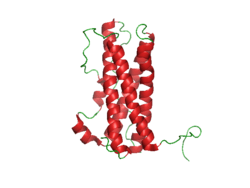
Prolactin Structure. Courtesy Boris TM at Wikipedia.

What Is Hyperprolactinemia?

Hyperprolactinemia is an excess secretion of prolactin hormone causing an elevated blood level that is characterized by its effects on reproduction: in females causing  amenorrhea and in males causing reduced sexual potency.

Q: What is prolactin?

A: Prolactin is a hormone produced by the the anterior pituitary gland that is transported by the bloodstream to stimulate androgen hormone production in male and estrogen hormone production in female sex glands. However, too much prolactin inhibits hormone production of estrogen in women and testosterone in men.

In pregnant females upon delivery of a baby, prolactin stimulates breast development and milk production for the purpose of feeding the infant. Sucking by the infant stimulates the release of prolactin which keeps the milk supply adequate.

Prolactin also promotes autoimmune mechanisms. Prolactin interferes specifically with B cell tolerance induction, enhances proliferative response to antigens and mitogens and increases the production of immune globulins, cytokines and autoantibodies.1

Other conditions that can stimulate prolactin release include nutritional deficiencies, thyroid stimulating hormone (TSH) produced by the pituitary gland, stress, exercise, and anterior pituitary tumors.

What Is An Elevated Prolactin Level In Celiac Disease and/or Gluten Sensitivity?

Sources:
  1. Shelly S, Boaz M, Orbach H. Prolactin and autoimmunity. Autoimmun Rev. 2012 May;11(6-7):A465-70. doi: 10.1016/j.autrev.2011.11.009. []

Understanding and Treating Zinc Deficiency in Celiac Disease

The mineral zinc is classified as an essential nutrient due to the vital functions it performs in our bodies.  It is found in almost every cell of the body with highest concentrations in the liver, pancreas, kidney, bone, and muscle. High concentrations occur in the brain, middle ear, eye, prostate gland, sperm, skin, hair, and nails. This micronutrient is essential for the activity of approximately 100 enzymes. Enzymes promote biochemical reactions in the body.

Zinc supports a healthy immune system. It is needed for wound healing and DNA synthesis. It helps maintain our sense of taste and smell and is involved in energy metabolism, hemoglobin production, carbon dioxide transport, prostaglandin function, synthesis of collagen, protein synthesis, and vitamin A metabolism. Zinc is important for male fertility. It supports normal growth and development during pregnancy, childhood, and adolescence.