
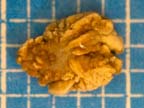
Kidney Stones (Renal Calculus): Causes & Treatment in Celiac Disease
Between 10 and 15% of adults within the United States will be diagnosed with a kidney stone.

Recurrence rates are estimated at about 10% per year, totaling 50% over a 5–10 year period and 75% over 20 years. Men are affected approximately 4 times more often than women. Recent evidence has shown an increase in pediatric cases. The total cost for treating this condition was $2 billion in 2003.1
Kidney stones are an atypical symptom and associated disorder of celiac disease, however not all people with celiac disease will develop kidney stones. This article describes the pathway for the development of kidney stones that are seen in persons with celiac disease as well as the treatment and prevention.

 Proteins produced from partial breakdown of microorganisms are often recognized by the body’s immune system as foreign antigens triggering production of antibodies that may be detected in the blood.


 Osteomalacia is common in celiac disease. Osteomalacia can occur at any age. It children, it is called rickets. It is a metabolic bone disorder that involves slow loss of minerals from bone tissue throughout the skeleton, stemming from inadequate absorption of

 When you have a child diagnosed with a severe food allergy it can be extremely challenging to help them feel comfortable and safe in social situations. While living with food allergies may always present challenges there are a few things you can do as a parent to help your child manage their fears and anxieties.


 Premenstrual syndrome (PMS) is a female menstrual disorder that occurs regularly around ovulation and subsides within a few days of the onset of menstruation. PMS affects up to 75% of women during their childbearing years.

 I sit here writing this post from my bed. It’s 9:39pm and I have been in bed since 4:30pm. My tonsils are so big it hurts to swallow and I feel like I have been in a boxing match where I lost, severely.