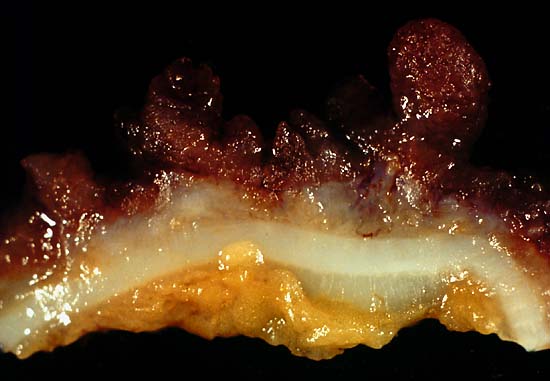
Inflammation
 What Is Inflammation?

[dropcap]I[/dropcap]nflammation is our body’s necessary self-defense response and repair mechanism for these assaults:
1) injuries such as cuts, scrapes, sprains, broken bones, burns, insect bites, toxins; 2) invading organisms such as bacteria; and 3) allergens and food sensitivities such as gluten.
Inflammation can be immediate (acute) or persistent (chronic).
Acute inflammation is marked by increased blood flow, migration of white blood cells, and release of defensive proteins and chemicals to the site of injured tissue. Among these chemicals are free radicals in the immune response to injury that are beneficial yet require the activity of anti-oxidants such as vitamin E and vitamin C to control.
Free radicals are chemical particles containing one or more unpaired electrons, which may be part of the molecule. They cause the molecule to become highly reactive.1
The majority of this response takes place in the first 12 to 24 hours after the assault. The inflammatory process continues until all the damaged tissue or invading germs are removed (usually about 5 days).2
Chronic inflammation is marked by persistence weeks to months or longer after tissue damage. Note: high concentrations of free radicals generated in chronic inflammation may be important causes of damage to cell structures. The defensive activity of anti-oxidants such as vitamin E and vitamin C are required to remove free radicals.
Chronic inflammation increases the risk for systemic diseases such as type II diabetes, obesity, heart disease, high blood pressure, arthritis, osteoporosis, chronic fatigue, migraine, autoimmune disease, and vasculitis which may cause stroke, heart attack or deep vein thrombosis (DVT).
Importantly, chronic inflammation is a risk factor for the onset of cancer.3
Q: Are there blood tests available for detecting inflammation?
A: Yes. Your medical health practitioner can order either or both of the following blood tests that measure the amount of inflammation present although not the source of inflammation. Abnormal is an elevation in blood levels.
- C-reactive protein (CRP). This test measure C-reactive proteins that are released into the bloodstream within a few hours of tissue injury or infection. CRPs are cytokines called ‘acute phase reactants,’ meaning first on the scene. The CRP test is also useful to monitor treatment response and flare-ups of chronic inflammatory disease such as vasculitis, systemic lupus, and inflammatory bowel disease.
- Erythrocyte sedimentation rate (ESR or sed rate). This test measures the rate of fall of blood cells in a sample tube of blood. An increase in the rate of fall shows inflammation due to an increase of C-reactive proteins in the blood specimen. Alone or with the CRP test, the ESR is especially useful for monitoring inflammation of veins and arteries.
In regards to celiac disease, disappearance of blood antibody levels of tissue transglutaminase IgA (tTG-IgA) indicate that inflammation has also subsided. These antibodies should be checked at 3 months, 6 months if indicated, and one year after diagnosis to monitor healing. On the other hand, raised antibodies indicate that there is definitely ongoing inflammation in the small intestine.
In regards to non-celiac gluten sensitivity, disappearance of blood antibody levels of anti-gliadin IgA and IgG at 3 months, 6 months if indicated, and one year after diagnosis indicate that inflammation has also subsided. On the other hand, raised antibodies indicate that there is definitely ongoing inflammation caused by gluten within the body.
What Is Inflammation In Celiac Disease and/or Gluten Sensitivity?
Sources:- Ruttkay-Nedecky B, Nejdl L , Gumulec J. The Role of Metallothionein in Oxidative Stress. Int. J. Mol. Sci. 2013, 14(3), 6044-6066; doi:10.3390/ijms14036044. [↩]
- Taber’s Cyclopedic Medical Dictionary. 19th ed. F A Davis Company. Philadelphia, PA. [↩]
- Brighenti E, Giannone FA, Fornari F, Onofrillo C, Govoni M, Montanaro L, Treré D, Derenzini M. Therapeutic dosages of aspirin counteract the IL-6 induced pro-tumorigenic effects by slowing-down the ribosome biogenesis rate. Oncotarget. 2016 Aug 20. doi: 10.18632/oncotarget.11441. [↩]