Skip to content

Dental Enamel Defects (Defective Tooth Enamel)

Enamel_celiac[1]What Are Dental Enamel Defects?

[dropcap]D[/dropcap]ental enamel defects (DED) comprise a variety of abnormalities in the dental enamel of the second or permanent teeth and of primary or baby teeth.

Teeth may appear with pits, thin or missing enamel, non-white enamel (yellow, orange, or gray colored teeth), and demarcated opacities (very white spots) even if teeth are white.

Q: What is enamel?

A: Dental enamel is the shiny, hard, white, dense, inorganic substance covering the crowns of the teeth. The crown is the tooth portion above the gum. Under the enamel is hard dentin which surround the living pulp. In teeth with missing enamel, the areas with exposed dentin appear dull and tan colored.
What Are Dental Enamel Defects In Celiac Disease and/or Gluten Sensitivity?

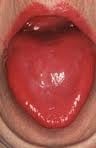
Tongue – Fiery Red, Smooth, Burning

niacin deficiencyWhat Is A Fiery Red, Smooth, Burning Tongue?

[dropcap]A[/dropcap] fiery red, smooth, burning tongue is an alteration in tongue tissue that is characteristic of advanced niacin deficiency.1

Q: How does niacin deficiency cause the tongue to be red and sore?

A: Niacin is an essential B vitamin that is required for a healthy tongue and by all body cells as well. Deficiency first shows in tissues with rapid cellular turnover, such as mucosal cells of the tongue.

When absorbed from the small intestines, niacin (the form in food) becomes the active form niacinamide. Niacinamide is converted by the body into co-enzymes which are present in all cells. These enzymes function in oxidation-reduction reactions essential for release of energy from carbohydrates, fats, and proteins and are needed as components for more than 200 enzymes involved in metabolism.

In addition to producing energy, niacinamide is essential for healthy skin and the mucosal lining of the digestive tract, normal functioning of the brain and nervous system, and production of steroid hormones from adrenal glands and hormones from sex glands.

What Is A Fiery Red, Smooth, Burning Tongue In Celiac Disease and/or Gluten Sensitivity?

Sources:
  1. Krause’s Food, Nutrition, & Diet Therapy. 10th Edition. Kathleen Mahan, Sylvia Escott-Stump. 2000. W.B. Saunders Company. []

Tongue – Pale, Smooth, Burning

Swollen Tongue Causing Tooth Indentations. GFW
Swollen Tongue Causing Tooth Indentations. Notice the Accompanying Denuded Area Due to Riboflavin Deficiency and Mild Candida Overgrowth. GFW

What Is A Pale, Smooth, Burning Tongue?

[dropcap]A[/dropcap] pale, smooth, burning tongue is an alteration in tongue tissue characteristic of iron deficiency. The tongue is also swollen.1

Additionally, the sore tongue surface may be invaded by candida yeast which takes advantage of the sore tissue.

Iron deficiency itself increases susceptibility to infection.

Q: What is iron deficiency?

A: Iron deficiency results when the level within cells is too low to meet metabolic needs of the body for this mineral.

Deficiency is characterized by impaired red blood cell formation, free-radical disposal, oxygenation of cells, immune response to infection, enzyme activity, cognitive performance, digestion, nail structure, and fetal health.2

Iron is an essential mineral that is required for normal body function. Almost two-thirds of iron in the body is found in hemoglobin, the protein in red blood cells that carries oxygen to tissues. Smaller amounts of iron are found in myoglobin, a protein that helps supply oxygen to muscle, and in enzymes that assist biochemical reactions.

Iron is also found in proteins that store iron for future needs and that transport iron in blood. Iron stores are regulated by intestinal iron absorption.3

What Is A Pale, Smooth, Burning Tongue In Celiac Disease and/or Gluten Sensitivity?

Sources:
  1. Krause’s Food, Nutrition, & Diet Therapy. 10th Edition. Kathleen Mahan, Sylvia Escott-Stump. 2000. W.B. Saunders Company. []
  2. Kathleen Mahan and Sylvia Escott-Stump, ed. Krause’s Food, Nutrition & Diet Therapy, 10th Edition. Philadelphia, PA. USA: W.B. Saunders Company, 2000. []
  3. http://ods.od.nih.gov/factsheets/Iron-HealthProfessional accessed 12/11/12 []

Tongue – Beefy Red, Smooth, Burning 

tongue in B12 deficiencyWhat Is Beefy Red, Smooth, Burning Tongue?

[dropcap]B[/dropcap]eefy, red, smooth, burning tongue is an inflammatory alteration in tongue tissue characteristic of vitamin B12 deficiency.

Inflammation makes the tongue red and sore which, when untreated, progresses to atrophied papillae (shrunken taste buds) that makes the tongue smooth.

Q: Why does vitamin B12 alter the tongue?

A: Vitamin B12 is essential for the metabolism of all cells, especially for those of the digestive tract of which the tongue is an organ.1

These easily seen changes to tongue tissue are an important diagnostic feature of deficient vitamin B12, which causes other devastating unseen damage, because the discomfort generally causes the individual to seek medical care.

What Is Beefy Red, Smooth, Burning Tongue In Celiac Disease and/or Gluten Sensitivity?

Sources:
  1. Krause’s Food, Nutrition, & Diet Therapy. 10th Edition. Kathleen Mahan, Sylvia Escott-Stump. 2000. W.B. Saunders Company. []

Aphthous Ulcers (Canker Sores) 

Aphthous_ulcer[1]What Are Aphthous Ulcers?

[dropcap]A[/dropcap]phthous ulcers, also called canker sores, are a chronic disorder of soft mouth tissue characterized by small, painful purpuric, papular, or erosive lesions that are often surrounded by erythematous (red) margins.1

Q: What soft mouth tissues develop canker sores?

A: Canker sores can erupt on the mucosal surface of the inside lip, sides of mouth, under the tongue and along the side of the tongue. When they are forming, the area swells into a papule, or small bump. Later, the surface erodes and a crater forms with firm pus.

What Are Aphthous Ulcers In Celiac Disease and/or Gluten Sensitivity?

Sources:
  1. Lahteenoja H, Toivanen A, Viander M, Maki M, Irjala K, Raiha I, Syrjanen S. Oral mucosal changes in coeliac patients on a gluten-free diet. European Journal of Oral Sciences. Oct 1998;106(5):899,8p. []

Cheilosis (Cracks in corners of mouth)

cheilosisWhat Is Cheilosis?

[dropcap]C[/dropcap]heilosis is a painful feature of nutritional deficiencies, especially riboflavin and/or pyridoxine deficiency, and less frequently, from vitamin B12, folic acid, and iron. It is characterized by redness of the lips with cracking and weeping in the corner of the mouth.

Q: What is the consequence of weeping at the corners of the mouth?

A: The open sores that develop at the corners of the mouth invite infection by candida albicans, a yeast organism, and less commonly by bacteria normally present on the skin such as staphylococcus aureus.

These sores make opening the mouth very painful and so restrict eating, talking, socializing, and dental care.

What Is Cheilosis In Celiac Disease and/or Gluten Sensitivity?

Bleeding / Swollen Gums

Vitamin C Deficiency: Clean Teeth with Swollen Gums.
Vitamin C Deficiency: Swollen Gums.

What Are Bleeding / Swollen Gums?

[dropcap]B[/dropcap]leeding and/or swollen gums is  an inflammatory disorder characterized by changes in gum integrity that may result in tooth loss.

Sponginess of the gum (swelling) indicates inflammation, called gingivitis. 

Q: What causes gingivitis?

A: Gingivitis that is caused by inadequate dental hygiene shows as pockets of swollen gum between or along the base of teeth where sticky plaque was allowed to build up. Plaque holds bacteria that inflames the gums where it occurs.

Gingivitis that is caused by vitamin C deficiency, pregnancy, certain drugs such as the anti-epileptic drug phenytoin, and leukemia affects the whole gum irrespective of mouth care.

What Are Bleeding / Swollen Gums In Celiac Disease and/or Gluten Sensitivity?

Oral Mucosal Lesions, Chronic (Mouth Soreness)

Canker Sore Inside Mouth. Notice The White Spot on This Person's Nail Showing Zinc Deficiency.
Inflammation/Sore Inside Mouth. Notice White Spot on Fingernail Nail Showing Zinc Deficiency.

What Are Chronic Oral Mucosal Lesions?

Chronic lesions of the oral mucosa are disorders of the mouth that are characterized by soreness and sores of the soft mucosal lining of the mouth.

What Are Chronic Oral Mucosal Lesions In Celiac Disease and/or Gluten Sensitivity?