
Hilarious Video: What Happens When You Tell People You Can’t Eat Gluten
College Humor looks at what happens when you tell people you can’t eat gluten. This is absolutely hysterical! Sound familiar???
College Humor looks at what happens when you tell people you can’t eat gluten. This is absolutely hysterical! Sound familiar???
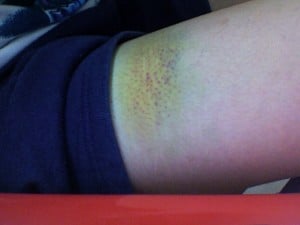
Editors’ note: This case report illustrates that a person can live a long time reporting apparent good health and be completely unaware that they have symptoms of celiac disease. In this case, hematomas, (which are swollen black and blue marks caused by a break in the wall of a blood vessel), that developed on his legs caused the patient to seek medical attention. The ability of his blood to clot was severely impaired and yet there was no other manifestation of hemorrhage. Discover more about bruising and hundreds of other health issues and how to treat them at the Gluten Free Works Treatment Guide.

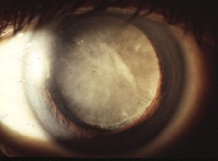
[Editor’s Note: The post below is a response to a young woman with cataracts and celiac disease. Cataracts are directly related to nutrient deficiencies of vitamin A, calcium, magnesium, protein, vitamin C and possibly vitamin…


Muscle weakness is the lack of muscle strength to perform physical work that we should be able to do, such as lifting objects, climbing steps or simply walking or getting up from a chair. Muscle weakness is different from muscle fatigue, which is the lack of energy to continue physical work once begun. Muscle weakness is also different from lassitude, or chronic fatigue, which is the feeling of tiredness or exhaustion but without loss of muscle strength.
Muscle weakness is common in celiac disease. It may stem from one or more nutrient deficiencies, associated disorders or complications. This article addresses only nutritional causes of muscle weakness resulting from malabsorption and/or loss of minerals from diarrhea or vomiting.

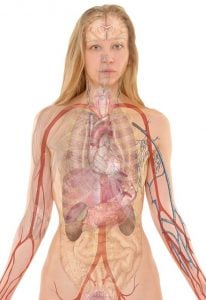 In 2007, Gluten Free Works published “Recognizing Celiac Disease,” the first work to present over 300 signs, symptoms, associated disorders and complications gathered from documented medical research from around the world.
The book proved that researchers were finding hundreds of health problems associated with celiac disease and gluten.
This list is now being used by celiac disease centers, national celiac organizations and health organizations to help identify at risk patients and determine whether patient symptoms are consistent with celiac disease.
But how can one disorder cause so many problems?
Here’s a look at one way…nutritional deficiencies.
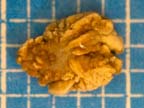
Between 10 and 15% of adults within the United States will be diagnosed with a kidney stone.

Recurrence rates are estimated at about 10% per year, totaling 50% over a 5–10 year period and 75% over 20 years. Men are affected approximately 4 times more often than women. Recent evidence has shown an increase in pediatric cases. The total cost for treating this condition was $2 billion in 2003.1
Kidney stones are an atypical symptom and associated disorder of celiac disease, however not all people with celiac disease will develop kidney stones. This article describes the pathway for the development of kidney stones that are seen in persons with celiac disease as well as the treatment and prevention.
 The following questions and answers were developed by the Beth Israel Deaconess Medical Center at Harvard Medical School:
Q. What is it like for a person you see who is newly diagnosed with Celiac Disease?
A. The gluten-free diet requires more preparation, taking food with you when you travel, making sure that you are safe in dining-out situations or when you are visiting with family or friends. So for some, it is very simple and straight forward and they are already experimenting with new grains like amaranth, buckwheat, millet, sorghum, and teff. But some people are

 Osteomalacia is common in celiac disease. Osteomalacia can occur at any age. It children, it is called rickets. It is a metabolic bone disorder that involves slow loss of minerals from bone tissue throughout the skeleton, stemming from inadequate absorption of vitamin D. As minerals are dissolved from bone tissue to provide for essential functions elsewhere in the body, bones gradually lose their hardness.
Consequently, pronounced softening of the bones characterizes osteomalacia. Soft bones become deformed, especially bones of the arms, legs, spine, thorax and pelvis. The softer bones have a normal amount of collagen, a strong fibrous protein in the bone matrix (osteoid) that gives bone its structure and tensile capacity, but there is not sufficient calcium and phosphate minerals available to properly mineralize or be deposited in the osteoid to give it necessary hardness.

The Go Gluten-Free study assessed the affects of a gluten-free diet on digestive health and fatigue in healthy people, without celiac disease. This was the largest study of its kind in the United Kingdom. Participants…

Who has celiac disease? While you cannot tell just by looking at a person, there are some common issues that can point doctors in the direction of celiac disease. Here is a list of 8…