Skip to content

Natural Killer Cells: definition

A unique immune cell type able to kill cancer and virus-infected cells. The nature of the killer receptors expressed on natural killer cells (NK cells), mediating this killing, and their ligands, is only little understood.… 

Inflammation

https://glutenfreeworks.s3.amazonaws.com/glutenfreeworks/constipation%20supplements.pdf?X-Amz-Content-Sha256=UNSIGNED-PAYLOAD&X-Amz-Algorithm=AWS4-HMAC-SHA256&X-Amz-Credential=AKIAJE5AFYFVVGZSJR3A%2F20260722%2Fus-east-1%2Fs3%2Faws4_request&X-Amz-Date=20260722T204315Z&X-Amz-SignedHeaders=host&X-Amz-Expires=1000&X-Amz-Signature=7660c81f87cd2d1948137efd10b1c739ccf753a81bcc921034061f72b7b10ca0

inflammation-post-4What Is Inflammation?

Inflammation is our body’s necessary self-defense response and repair mechanism for these assaults:

1) injuries such as cuts, scrapes, sprains, broken bones, burns, insect bites, toxins; 2) invading organisms such as bacteria; and 3) allergens and food sensitivities such as gluten.

Inflammation can be immediate (acute) or persistent (chronic).

Acute inflammation is marked by increased blood flow, migration of white blood cells, and release of defensive proteins and chemicals to the site of injured tissue. Among these chemicals are free radicals in the immune response to injury that are beneficial yet require the activity of anti-oxidants such as vitamin E and vitamin C to control.

Free radicals are chemical particles containing one or more unpaired electrons, which may be part of the molecule. They cause the molecule to become highly reactive.1

The majority of this response takes place in the first 12 to 24 hours after the assault. The inflammatory process continues until all the damaged tissue or invading germs are removed (usually about 5 days).2

Chronic inflammation is marked by persistence weeks to months or longer after tissue damage. Note: high concentrations of free radicals generated in chronic inflammation may be important causes of damage to cell structures. The defensive activity of anti-oxidants such as vitamin E and vitamin C are required to remove free radicals.

Chronic inflammation increases the risk for systemic diseases such as type II diabetes, obesity, heart disease, high blood pressure, arthritis, osteoporosis, chronic fatigue, migraine, autoimmune disease, and vasculitis which may cause stroke, heart attack or deep vein thrombosis (DVT).

Importantly, chronic inflammation is a risk factor for the onset of cancer.3

Q: Are there blood tests available for detecting inflammation?

A: Yes. Your medical health practitioner can order either or both of the following blood tests that measure the amount of inflammation present although not the source of inflammation. Abnormal is an elevation in blood levels.

  1. C-reactive protein (CRP). This test measure C-reactive proteins that are released into the bloodstream within a few hours of tissue injury or infection. CRPs are cytokines called ‘acute phase reactants,’ meaning first on the scene. The CRP test is also useful to monitor treatment response and flare-ups of chronic inflammatory disease such as vasculitis, systemic lupus, and inflammatory bowel disease.
  2. Erythrocyte sedimentation rate (ESR or sed rate). This test measures the rate of fall of blood cells in a sample tube of blood. An increase in the rate of fall shows inflammation due to an increase of C-reactive proteins in the blood specimen. Alone or with the CRP test, the ESR is especially useful for monitoring inflammation of veins and arteries.

In regards to celiac disease, disappearance of blood antibody levels of tissue transglutaminase IgA (tTG-IgA) indicate that inflammation has also subsided. These antibodies should be checked at 3 months, 6 months if indicated, and one year after diagnosis to monitor healing. On the other hand, raised antibodies indicate that there is definitely ongoing inflammation in the small intestine.

In regards to non-celiac gluten sensitivity, disappearance of blood antibody levels of anti-gliadin IgA and IgG at 3 months, 6 months if indicated, and one year after diagnosis indicate that inflammation has also subsided. On the other hand, raised antibodies indicate that there is definitely ongoing inflammation caused by gluten within the body.

What Is Inflammation In Celiac Disease and/or Gluten Sensitivity?

Sources:
  1. Ruttkay-Nedecky B, Nejdl L , Gumulec J. The Role of Metallothionein in Oxidative Stress. Int. J. Mol. Sci. 2013, 14(3), 6044-6066; doi:10.3390/ijms14036044. []
  2. Taber’s Cyclopedic Medical Dictionary. 19th ed. F A Davis Company. Philadelphia, PA. []
  3. Brighenti E, Giannone FA, Fornari F, Onofrillo C, Govoni M, Montanaro L, Treré D, Derenzini M. Therapeutic dosages of aspirin counteract the IL-6 induced pro-tumorigenic effects by slowing-down the ribosome biogenesis rate. Oncotarget. 2016 Aug 20. doi: 10.18632/oncotarget.11441. []

Turmeric: definition

An aromatic spice obtained from the plant’s underground rhizomes that contains curcuminoid compounds of which curcumin is the most important. It is especially effective in reducing inflammation because it lowers levels of cytokines causing inflammation.… 

Healthy Tuna Stuffed Avocado – Video Recipe

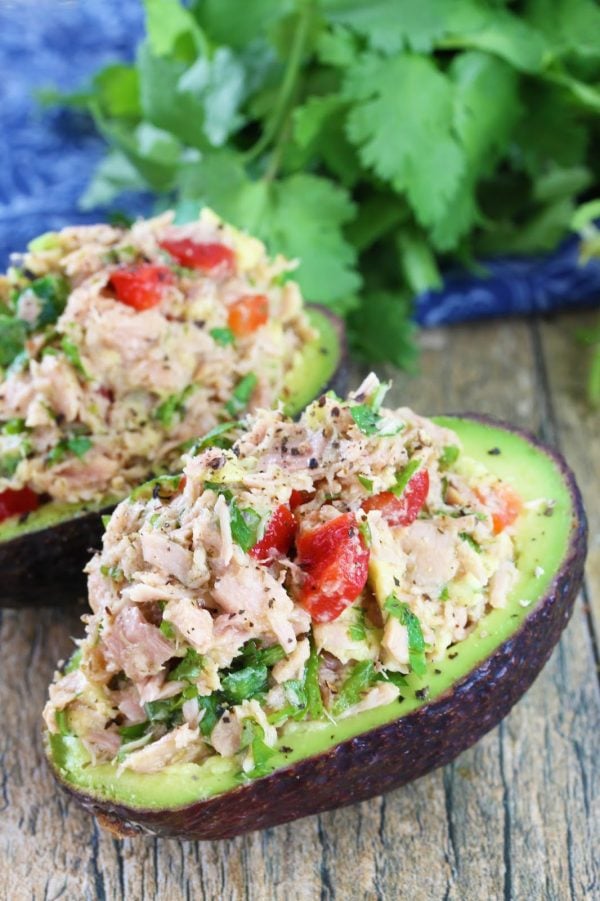
Rachel, The Stay at Home Chef, dishes up this super nutritious gluten-free recipe! This Healthy Tuna Stuffed Avocado is stuffed with a flavorful southwest mixture of tuna, bell pepper, jalapeno, and cilantro. You can adapt… 

Constipation, Chronic

Constipation in a young child as seen on X-ray. Lowest circle shows hard feces in the pelvis. Source, James Heilman, MD.

What Is Chronic Constipation?

Chronic constipation is an intestinal motility disorder characterized by abnormal stool formation, consistency, and evacuation.

Motility disorder means the normal rhythmic movement of intestinal muscles, called peristalsis, that moves food matter through the gut is hampered or dysfunctional.

Studies show that methane gas present in the colon induces constipation by delaying transit time, which is the time it takes for stool to pass through the colon.

Researchers investigating the relationship between methane and constipation found that methane positivity was detected in 75% of patients with slow transit, 44% of patients with normal transit and and 28% of the patients who were controls. However, methane positivity was not related with stool consistency.1

Other researchers investigating the total amount of methane produced found that there was significantly more methane production in patients with constipation (21.1 ppm vs. 6.1 ppm, respectively) than in controls without constipation.2

Q. How does methane get into the colon?

A. Methane is produced in the colon by intestinal methanogens (microbes) that metabolize hydrogen, one of the end products of normal anaerobic (meaning without oxygen) bacterial fermentation.  Fermentation of the undigested starchy part of carbohydrates produces hydrogen in the intestine which is the substrate (food) for methane production by intestinal methanogens.

Hydrogen and methane are excreted in the flatus and in breath giving the opportunity to indirectly measure their production using breath testing. Methane is detected in 30%-50% of the healthy adult population worldwide.3

Other common causes of constipation include not getting enough exercise, not drinking enough fluids, not eating enough fiber in the diet, not eating foods that supply microbes needed by the colon (probiotics), not eating foods that nourish the good microbe population (prebiotics) and supply minerals needed for healthy movement of stool, and food sensitivities. Too much cows milk is a common cause of stool that forms into balls.

Who is Affected in the General Population? Chronic constipation is a remarkably common and costly condition that can negatively impact the quality of life and result in a major social and economic burden. Based on the definition, either self-reported or using Rome criteria, chronic constipation can affect up to 27% of the population. There is strong evidence that constipation occurs more frequently in women.4

What Is Chronic Constipation In Celiac Disease and/or Gluten Sensitivity?

Sources:
  1. Triantafyllou K, Chang C, Pimentel M. Methanogens, Methane and Gastrointestinal Motility. J Neurogastroenterol Motil. 2014 Jan;20(1):31-40. Epub 2013 Dec 30. []
  2. Triantafyllou K, Chang C, Pimentel M. Methanogens, Methane and Gastrointestinal Motility. J Neurogastroenterol Motil. 2014 Jan;20(1):31-40. Epub 2013 Dec 30. []
  3. Triantafyllou K, Chang C, Pimentel M. Methanogens, Methane and Gastrointestinal Motility. J Neurogastroenterol Motil. 2014 Jan;20(1):31-40. Epub 2013 Dec 30. []
  4. Sanchez MI, Bercik P. Epidemiology and burden of chronic constipation. Can J Gastroenterol. 2011 Oct;25 Suppl B:11B-15B. []

Gluten-Free New Year’s Resolution – Make More Soups and Stews (Recipe for Beef Burgundy)

I have a short New Year’s Resolution list. It’s much the same list that I wrote down last year and the year before. It involves cooking and eating more nutritious foods.

Homemade soups are the most nourishing food I can think of. Enough protein, enough fats of the right sort, lots of vegetables in healthy stocks and broths, rich in nutrients. That’s what soups and stews are made of.

Therefore, my number one New Year’s resolution is to make one big pot of homemade soup or stew each and every week of the new year. Last year I lost focus and fell short of my weekly soup/stew goal, but this first week of the new year, I’m at 100%, starting with a simple gluten-free version of “Beef Burgundy.”

On Christmas Day my son served an amazing Beef Bourguignon for the family. The flavors were rich and earthy. As I listened to him describe his list of ingredients and method of preparation I decided to start the year with an abbreviated, easier version of the classic French Beef Bourguignon recipe, beef burgundy. Here is my first gluten-free stew of the new year.

Gluten-Free Beef Burgundy Recipe

According to our About.com Guide to French Food beef burgundy, or boeuf Bourguignon, is the ultimate slow-cooked comfort food. It is!

The earthy flavors in this simple dish transform run-of-the-mill beef stew into something truly special to be enjoyed with a warm slice of gluten-free bread and a glass of wine.

Systemic Lupus Erythematosus 

bruiseWhat Is Hypoprothrombinemia?

H ypoprothrombinemia is a deficiency of prothrombin (clotting factor II) in the blood that is characterized by impaired hemostasis in response to trauma or a laceration.

Q: What is hemostasis and how is it altered by a deficiency of prothrombin?

A: Hemostasis encompasses the tightly regulated processes of blood clotting, platelet activation, and blood vessel repair.1

Prothrombin is a protein clotting factor present in blood that is involved in the first part of hemostasis, which is blood clotting or coagulation. Vitamin K is required for prothrombin production.

When a laceration or wound is sustained, prothrombin is converted to the enzyme thrombin. Thrombin in turn acts on fibrinogen to convert it to fibrin which then forms the framework of a clot to stop bleeding. Deficiency of prothrombin prevents this series of events and bleeding is not properly stopped.

After the clotting process of hemostasis would come the second part, platelet activation. Eventually, coagulation and platelet activation are switched off by blood-borne inhibitors.

What Is Hypoprothrombinemia In Celiac Disease and/or Gluten Sensitivity?

Sources:

  1. Versteeg HH, Heemskerk JWM, Levi M,  Reitsma PH. New Fundamentals in Hemostasis. Physiological Reviews Published 1 January 2013Vol. 93no. 327-358DOI: 10.1152/physrev.00016.2011 []

Sjögren’s Syndrome 

Hemochromatosis
Microscopic View of Hemochromatosis Stained Blue. Courtesy Wikimedia

What Is Hemochromatosis?

H emochromatosis, also called iron overload liver disease, is a common inherited disease in the Caucasian population that is characterized by increased iron deposition within the tissues (overload) associated with injury to them.

Hemochromatosis is an autosomal recessive disease, meaning a pair of abnormal genes are inherited from each parent. Parents are unaffected because they carry only one gene.

Q: Where is iron deposited?

A: In hemochromatosis, more iron is absorbed from the small intestine than is needed by the body. Subsequently, because the body has no satisfactory means to release iron overload, excess iron is deposited in various organs such as the liver causing cirrhosis, joints causing arthritis, and the pancreas causing diabetes mellitus.1

Consumption of alcoholic drinks with food should be avoided because alcohol increases leaky gut and greatly increases the absorption of iron. On the flip side, eggs and foods containing calcium such as milk and cheese are beneficial for hemochromatosis because they impair the absorption of iron. Another iron inhibitor is food that contains phytic acid which includes the bran and outer layer of grains, seeds, nuts, peas, beans, and lentils.

Iron overloading, as measured by a random (non-fasting) elevated transferrin saturation value, is estimated to occur in 1 to 6 people per 100 in the United States according to the CDC (Center for Disease Control and Prevention). Too much iron increases the risk for metabolic syndrome, type 2 diabetes mellitus, cancer, liver disease, and osteoporosis.

Medical treatment to remove excess iron from the body uses phlebotomy that draws blood through a vein and/or certain injectable drugs (deferoxamine and deferairox) that bind to iron.

What Is Hemochromatosis In Celiac Disease and/or Gluten Sensitivity?

Sources:

  1. www.irondisorders.org []

Fast Food Chain Shake Shack Now Offers Gluten-Free Buns

The days of driving past all the fast food joints because NOBODY offers gluten-free buns are over!

Shake Shack just announced they are carrying gluten-free buns at all their locations besides stadiums and ballparks.

Get Your FREE Gluten-Free Holiday Cookbooks

Beyond Celiac has three FREE cookbooks to help you have a Merry Christmas, Happy Hanukkah and Happy New Year!

Whether it’s your first gluten-free holiday season, or if you’ve been doing this for years, you’ll find helpful information here.