I have a super important message for you about inflammation.
We all know inflammation is bad. Advertisements for medicines on the TV talk about it all the time, blaming it for everything from heart disease to arthritis.
Inflammation is bad. It is so bad that we include decreasing inflammation as a part of treating every condition in our Gluten Free Works Treatment Guide.
3.4 million people in the United States have epilepsy and about 65 million worldwide. Epilepsy is a serious disorder that affects the brain. People with epilepsy suffer from seizures. The seizures can range from small and barely noticeable to so severe that that the person loses consciousness and the body spasms.
While the exact mechanism is as yet unclear, there is definitely a link between gluten and epilepsy in a certain percentage of people. This video explains the link, the effects and how the seizures respond to the the gluten-free diet.
This is a quote that a lot of people are hearing these days. What happens after your doctor says these words? Here is a synopsis of my journey; if any of this sounds familiar, give it some serious thought…there may be a very simple answer.
I first heard these words while I was barely concious, in a bed at Methodist Hospital in Houston. I had become so weak and debilitated by my undiagnosed and untreated celiac disease that my life was in danger. The symptoms over twenty years included gastrointestinal problems, fibromyalgia, irritability, bone pain and more. The good news was that I finally found out what was wrong with me; the better news was finding out that the disease is completely manageable through dietary changes alone.–no medications, no surgeries, none of that stuff. Just don’t eat grains that contain the gluten protein, mainly wheat, barley and rye. That sounded really good to me.
Not so fast. While still in the hospital, I was really still very sick, and not really able to process the information. After a couple of days (in which I was already improving), it dawned on me that
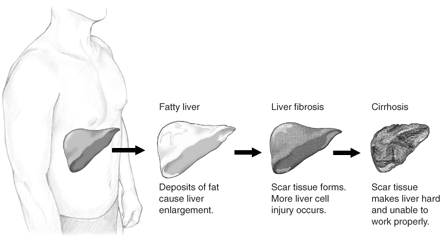
This is super important for anyone with fatty liver disease!
While we were at Columbia University’s Topics in Gastroenterology, Dr. Steven Lobritto talked about cirrhosis of the liver and how he has actually seen people who were on the liver transplant list heal enough to be taken off once they started a gluten-free diet. That’s right. People who needed liver transplants – their liver’s were basically done for – healed! I have personally met a man who also recovered during
Celiac Disease is sometimes referred to as having a cascading effect where symptoms beget symptoms and the health worsens and worsens. This video shows how you can discover multiple symptoms are in fact related, when…
Celiac disease is a complex inherited digestive disorder that affects I in 100 persons worldwide. This condition involves a unique immune response within the digestive tract to gluten, a protein found in the grains of wheat, barley, rye and oats. All persons with celiac disease, regardless of age, race or gender, are susceptible to intestinal damage when they eat food containing gluten or its derivatives. The treatment for celiac disease is a strict gluten-free diet that stops damage and allows recovery. Probiotics and prebiotics should be incorporated into the diet to improve the quality and balance of intestinal bacteria that inhabit the colon.
There are 36 Brain Disorders Cause by Gluten Sensitivity and Celiac Disease listed in the Gluten Free Works Treatment Guide. How they are caused and treatment are presented. The people who follow the steps provided…
Symptoms and health problems all have a cause. (Don’t believe it if someone tells you different, no matter what letters they might have behind their name.) Cleo and John Libonati discuss why discovering the underlying…
Gluten in bread can wreak havoc on the body. (AP Photo/S Ilic)
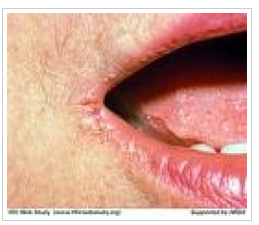
If you’re sensitive to gluten, a protein found in wheat, and foods made from wheat, it can make you more susceptible to herpes. Herpes, a virus that forms blisters on the skin, mouth and genitals causes what are called cold sores or fever blisters. It is highly contagious and may keep coming back, causing repetitive infections.

 I have a super important message for you about inflammation.




 Celiac disease is a complex inherited digestive disorder that affects I in 100 persons worldwide. This condition involves a unique immune response within the digestive tract to gluten, a protein found in the grains of wheat, barley, rye and oats. All persons with celiac disease, regardless of age, race or gender, are susceptible to intestinal damage when they eat food containing gluten or its derivatives. The treatment for celiac disease is a strict gluten-free diet that stops damage and allows recovery. Probiotics and prebiotics should be incorporated into the diet to improve the quality and balance of intestinal bacteria that inhabit the colon.