Skip to content

Folate Deficiency (Folic Acid)

Lovely Lettuce Briming With Folates.
Lovely Lettuce Brimming With Folates.

What Is Folate?

[dropcap]F[/dropcap]olate, also called folic acid or vitamin B9, is a family group of essential water-soluble B vitamins needed to produce healthy blood cells and other tissue cells.

Folate is required for healthy blood cells, the metabolism of at least 5 amino acids, the production of DNA, RNA and tRNA (genetic material), the normal development of a baby in the womb, male and female fertility, and regulation of homocysteine (amino acid) by reduction of harmful blood levels in conjunction with vitamin B6 and vitamin B12.

Urinary excretion of folate cannot be detected when vitamin intake is below the required levels. On the other hand, when intake exceeds saturation in the body, the vitamins and/or their metabolites are actively excreted into urine to prevent excessive toxicity of the vitamins.1

What Is Folate Deficiency In Celiac Disease and/or Gluten Sensitivity?

Sources:
  1. Shibata K, Hirose J, Fukuwatari T. Relationship Between Urinary Concentrations of Nine Water-soluble Vitamins and their Vitamin Intakes in Japanese Adult Males. Nutr Metab Insights. 2014 Aug 5;7:61-75. doi: 10.4137/NMI.S17245. eCollection 2014. []

Hyperprolactinemia (Excess Prolactin Hormone)

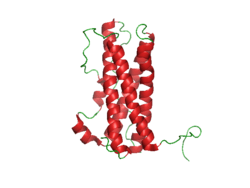
Prolactin Structure. Courtesy Boris TM at Wikipedia.

What Is Hyperprolactinemia?

[dropcap]H[/dropcap]yperprolactinemia is an excess secretion of prolactin hormone causing an elevated blood level that is characterized by its effects on reproduction: in females causing  amenorrhea and in males causing reduced sexual potency.

Q: What is prolactin?

A: Prolactin is a hormone produced by the the anterior pituitary gland that is transported by the bloodstream to stimulate androgen hormone production in male and estrogen hormone production in female sex glands. However, too much prolactin inhibits hormone production of estrogen in women and testosterone in men.

In pregnant females upon delivery of a baby, prolactin stimulates breast development and milk production for the purpose of feeding the infant. Sucking by the infant stimulates the release of prolactin which keeps the milk supply adequate.

Prolactin also promotes autoimmune mechanisms. Prolactin interferes specifically with B cell tolerance induction, enhances proliferative response to antigens and mitogens and increases the production of immune globulins, cytokines and autoantibodies.1

Other conditions that can stimulate prolactin release include nutritional deficiencies, thyroid stimulating hormone (TSH) produced by the pituitary gland, stress, exercise, and anterior pituitary tumors.

What Is An Elevated Prolactin Level In Celiac Disease and/or Gluten Sensitivity?

Sources:
  1. Shelly S, Boaz M, Orbach H. Prolactin and autoimmunity. Autoimmun Rev. 2012 May;11(6-7):A465-70. doi: 10.1016/j.autrev.2011.11.009. []

Hyperprolactinemia: definition

Elevated level of prolactin hormone in blood signifies too much prolactin, which  is produced by the anterior pituitary gland and causes impaired estrogen production in females and impaired androgen production in males.