Skip to content

Secondary Hyperparathyroidism

Hepatitis-C-Healthy-Liver-and-Inflammation-of-Liver

What Are Elevated Liver Enzymes?

H ypertransaminasemia is a chronic condition of elevated blood liver transaminase enzymes, commonly called “liver enzymes,” that signifies hepatocellular (liver) injury.

Q: What are serum transaminases?

A: Transaminases are the liver enzymes ALT and AST. ALT is the abbreviation for alanine aminotransferase enzyme and AST is the abbreviation for aspartate aminotransferase enzyme.

Transaminases are commonly measured in routine blood tests to determine liver function. Elevated ALT and AST transaminases  indicate inflammation of the liver. Other specific tests must follow to determine the cause of inflammation.

What Is Hypertransaminasemia In Celiac Disease and/or Gluten Sensitivity?

Selenium Deficiency

selenium gluten free celiac disease symptomWhat Is Selenium?

Selenium is a mineral that is required by the body  in trace amounts for a healthy immune system, normal thyroid function, and antioxidant protection.

Selenium is absolutely required in the production of at least 30 selenoproteins in the body. First, selenium is joined to the amino acids cysteine as selenocysteine and to methionine as selenomethionine before being used as components for selenoproteins. Many selenoproteins are important antioxidant enzymes such as glutathione peroxidase.

Q: How does glutathione peroxidase work?

A: Glutathione peroxidase activity helps the recycling of vitamins C and E in optimizing the performance of the antioxidant system. The antioxidant properties of selenoproteins help prevent cellular damage from free radicals. Free radicals are natural by-products of oxygen metabolism that may contribute to the development of chronic diseases such as cancer and heart disease.

In the immune system, selenium stimulates immune properties of lymphocytes (white blood cells) by contributing to higher natural killer lymphocyte activity. Natural killer lymphocytes have the ability to destroy cancer cells and bacterial and viral agents.

Other selenoproteins help protect the thyroid gland from anti-oxidants and regulate thyroid function. Specifically, selenium plays an integral role in thyroid gland metabolism.1 Functions are more fully described below.

According to the Food and Agriculture Organization, United Nations, approximately 30 percent of tissue selenium is contained in the liver, 15 percent in kidney, 30 percent in muscle, and 10 percent in blood plasma.

What Is Selenium Deficiency In Celiac Disease and/or Gluten Sensitivity?

Sources:
  1. Stazi AV, Trinti B. Selenium status and over-expression of interleukin-15 in celiac disease and autoimmune thyroid diseases. Ann Ist Super Sanita. 2010;46(4):389-99.DOI: 10.4415/ANN_10_04_06. []

Primary Hyperparathyroidism

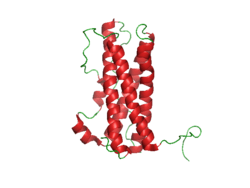
Prolactin Structure. Courtesy Boris TM at Wikipedia.

What Is Hyperprolactinemia?

H yperprolactinemia is an excess secretion of prolactin hormone causing an elevated blood level that is characterized by its effects on reproduction: in females causing  amenorrhea and in males causing reduced sexual potency.

Q: What is prolactin?

A: Prolactin is a hormone produced by the the anterior pituitary gland that is transported by the bloodstream to stimulate androgen hormone production in male and estrogen hormone production in female sex glands. However, too much prolactin inhibits hormone production of estrogen in women and testosterone in men.

In pregnant females upon delivery of a baby, prolactin stimulates breast development and milk production for the purpose of feeding the infant. Sucking by the infant stimulates the release of prolactin which keeps the milk supply adequate.

Prolactin also promotes autoimmune mechanisms. Prolactin interferes specifically with B cell tolerance induction, enhances proliferative response to antigens and mitogens and increases the production of immune globulins, cytokines and autoantibodies.1

Other conditions that can stimulate prolactin release include nutritional deficiencies, thyroid stimulating hormone (TSH) produced by the pituitary gland, stress, exercise, and anterior pituitary tumors.

What Is An Elevated Prolactin Level In Celiac Disease and/or Gluten Sensitivity?

Sources:
  1. Shelly S, Boaz M, Orbach H. Prolactin and autoimmunity. Autoimmun Rev. 2012 May;11(6-7):A465-70. doi: 10.1016/j.autrev.2011.11.009. []

Polymyositis: definition

An uncommon autoimmune body-wide connective tissue disease characterized by inflammatory and degeneratory changes in skeletal muscles leading to muscle weakness, wasting, and loss.  Click for full description.

Multiple Sclerosis: definition

An autoimmune, chronic slowly progressive demyelinating (damage to nerve fibers) disease of the central nervous system characterized by multiple and varied neurologic symptoms and signs such as numbness, muscle weakness and visual disturbances, usually with… 

Muscle Weakness: definition

Impaired status of muscle function mainly resulting from  nutritional deficiencies including any of these: protein, magnesium, thiamin (B1), niacin (B3), potassium, phosphorus, selenium, and vitamin D,  or due to chronic fatigue syndrome or hypoglycemia, and if…