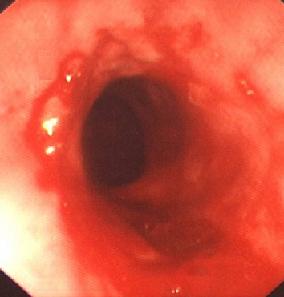
Researchers in Switzerland have made the welcome discovery that the essential nutrient zinc effectively inhibits gastric acid secretion in humans.
The researchers were investigating whether zinc could lead to a rapid and sustained increase of stomach pH (more alkaline) in both animals and humans and provide a rapid acid suppression therapy. They demonstrated that zinc offers a new and prolonged therapy for
H ypoprothrombinemia is a deficiency of prothrombin (clotting factor II) in the blood that is characterized by impaired hemostasis in response to trauma or a laceration.
Q: What is hemostasis and how is it altered by a deficiency of prothrombin?
A: Hemostasis encompasses the tightly regulated processes of blood clotting, platelet activation, and blood vessel repair.1
Prothrombin is a protein clotting factor present in blood that is involved in the first part of hemostasis, which is blood clotting or coagulation. Vitamin K is required for prothrombin production.
When a laceration or wound is sustained, prothrombin is converted to the enzyme thrombin. Thrombin in turn acts on fibrinogen to convert it to fibrin which then forms the framework of a clot to stop bleeding. Deficiency of prothrombin prevents this series of events and bleeding is not properly stopped.
After the clotting process of hemostasis would come the second part, platelet activation. Eventually, coagulation and platelet activation are switched off by blood-borne inhibitors.
What Is Hypoprothrombinemia In Celiac Disease and/or Gluten Sensitivity?
Sources:
Versteeg HH, Heemskerk JWM, Levi M, Reitsma PH. New Fundamentals in Hemostasis. Physiological Reviews Published 1 January 2013Vol. 93no. 327-358DOI: 10.1152/physrev.00016.2011 [↩]
Microscopic View of Hemochromatosis Stained Blue. Courtesy Wikimedia
What Is Hemochromatosis?
H emochromatosis, also called iron overload liver disease, is a common inherited disease in the Caucasian population that is characterized by increased iron deposition within the tissues (overload) associated with injury to them.
Hemochromatosis is an autosomal recessive disease, meaning a pair of abnormal genes are inherited from each parent. Parents are unaffected because they carry only one gene.
Q: Where is iron deposited?
A: In hemochromatosis, more iron is absorbed from the small intestine than is needed by the body. Subsequently, because the body has no satisfactory means to release iron overload, excess iron is deposited in various organs such as the liver causing cirrhosis, joints causing arthritis, and the pancreas causing diabetes mellitus.1
Consumption of alcoholic drinks with food should be avoided because alcohol increases leaky gut and greatly increases the absorption of iron. On the flip side, eggs and foods containing calcium such as milk and cheese are beneficial for hemochromatosis because they impair the absorption of iron. Another iron inhibitor is food that contains phytic acid which includes the bran and outer layer of grains, seeds, nuts, peas, beans, and lentils.
Iron overloading, as measured by a random (non-fasting) elevated transferrin saturation value, is estimated to occur in 1 to 6 people per 100 in the United States according to the CDC (Center for Disease Control and Prevention). Too much iron increases the risk for metabolic syndrome, type 2 diabetes mellitus, cancer, liver disease, and osteoporosis.
Medical treatment to remove excess iron from the body uses phlebotomy that draws blood through a vein and/or certain injectable drugs (deferoxamine and deferairox) that bind to iron.
What Is Hemochromatosis In Celiac Disease and/or Gluten Sensitivity?
S ucrose intolerance is the inability to digest sucrose, a widely available sugar, while sucrosemia is the abnormal presence of sucrose in the bloodstream.
Q: Why cannot the body digest sucrose?
A: Sucrose, such as cane or beet sugar, is a double molecule sugar which must first be digested before being absorbed from the gut into the bloodstream. That is, sucrose must be split into its component single molecules of fructose and glucose, which are then properly absorbed.
The inability to properly digest sucrose results directly from low production and activity of sucrase in the small intestine. Sucrase is the specific enzyme that splits or digests sucrose.
Undigested sucrose does not remain idle. Its presence acts osmotically to draw water from the body into the intestine, causing watery diarrhea.
Meanwhile, microbiota (normal bacteria) in the colon eagerly ferment the abnormally present sucrose that arrives from the small intestine. Fermentation generates short-chain fatty acids and hydrogen gas, which results in bloating pain.1
In sucrosemia, sucrose molecules abnormaly pass through an unhealthy small intestinal lining and enter the bloodstream where there presence is abnormal. Sucrose in the blood is filtered out by the kidneys and excreted in urine.
Positive response to a breath hydrogen test (BHT), involving 1 – 3 hours of time post ingestion of sucrose test dose, signifies malabsorption in the small intestine and fermentation in the colon. If BHT is positive before 60 minutes, the result implies bacteria is abnormally present in the small intestine, causing fermentation there. Endoscopy is used to measure sucrase activity in tissue samples.
What Is Sucrose Intolerance And Sucrosemia In Celiac Disease and/or Gluten Sensitivity?
Arrows Show Abnormal Movement of Gastric Acid in Gastroesophageal Reflux Disease.
What Is Gastroesophageal Reflux Disease (GERD)?
GERD is an upper digestive disorder that is characterized by a decrease in lower esophageal sphincter pressure (LES,) which allows the abnormal reflux or backflow of stomach contents into the esophagus. It is also called erosive esophagitis or reflux esophagitis and is the most common disorder of the esophagus.
The esophagus is a muscular tube that transports swallowed substances to the stomach. It begins at the cricoid cartilage (Adam’s apple) as a continuation of the pharynx and ends at the lower esophageal sphincter (LES).
The lower esophageal sphincter is located at the junction of the esophagus and the stomach. It functions like a circular band to tighten after food is ingested in order to prevent its going back up the esophagus.
Q: How does reflux damage the esophagus?
A: Damage to the lining of the esophagus is induced by the caustic, chemical action of acid and pepsin in gastric juice and, in severe cases, also bile salts, that back upwards from the stomach through an impaired LES. Gastric acid combined with pepsin or bile salts seems to be more harmful to the esophageal epithelial layers than gastric acid alone.1
Pepsin is normally produced by the stomach to dissolve protein in swallowed food. Unfortunately, when the esophagus is inflamed, pepsin will act on it to break down the protein in its sore wall. These sores are called erosions.
Importantly, refluxate to the esophagus in patients with acid suppression therapy is different from those in patients without. Higher levels of secondary bile acids are detected in patients with acid suppression therapy. Even if acid suppression is successful, weakly acidic reflux with bile acids can damage the esophagus.1
Damage starts at the luminal surface (inside where food passes through) of the squamous epithelium (tough surface cells) and progresses through the underlying layers into the submucosa.
One of the primary functions of the esophageal epithelium is to protect the underlying tissue from mechanical and chemical damage by acting as a barrier. The epithelial layers of the distal esophagus need to withstand reflux from the stomach and its contents. When the epithelium fails to protect the underlying tissue from this damage, it leads to erosions, esophagitis, and may lead to Barrett’s esophagus.1
Barrett’s esophagus and esophageal small cell cancer are severe complications of GERD that can be fatal.
GERD can result from too much, or more commonly, too little stomach acid.
What Is Gastroesophageal Reflux Disease (GERD) In Celiac Disease and/or Gluten Sensitivity?
Sources:
Chen X, Oshima T, Tomita T, Fukui H, Watari J, Matsumoto T, Miwa H. Acidic bile salts modulate the squamous epithelial barrier function by modulating tight junction proteins. Am J Physiol Gastrointest Liver Physiol. 2011 Aug;301(2):G203-9. doi: 10.1152/ajpgi.00096.2011. Epub 2011 May 26. [↩] [↩] [↩]
Heartburn Due to Acidic Stomach Contents Re-entering the Esophagus.
What Is Heartburn?
Heartburn is a functional upper digestive symptom of esophagitis that is characterized by a burning sensation behind the breastbone.
Q: Why does esophagitis cause heartburn?
A: Esophagitis is inflammation of the mucosal lining of the esophagus. The most common cause of esophagitis is the re-entering of stomach contents into the esophagus because the lower esophageal sphincter (LES) does not close tightly after food or fluids enter the stomach from the esophagus and/or the LES does not remain tightly closed.
The LES is located at the junction of the esophagus and the stomach. It functions like a circular band to tighten after food is ingested in order to prevent its going back up the esophagus when powerful stomach muscles churn ingested food.
Damage to the lining of the esophagus (esophagitis) results upon contact with hydrochloric acid and pepsin in gastric juice. Hydrochloric acid, produced by the stomach to dissolve food, inflames the esophagus, which is the opposite, or alkaline. Pepsin, produced by the stomach to dissolve protein in swallowed food, acts on the inflamed esophagus to break down the protein in its sore wall.
Heartburn can be caused by other disorders such as low stomach acid, obesity, and smoking. Relaxation of the LES can also result from dietary items such as chocolate, mint, caffeine, and alcoholic drinks.
Who is Affected in the General Population? Heartburn affects an estimated 42% of the US population.1
What Is Heartburn In Celiac Disease and/or Gluten Sensitivity?
Beaded Barium Swallow Shows Spasms of Espophagus. Courtesy Quizlet.com
What Are Esophageal Motor Abnormalities?
Esophageal motor abnormalities are disorders of the esophagus involving altered muscular motility characterized by impaired esophageal peristalsis, or the progressive wave-like movement that occurs automatically when food or fluids are swallowed.
Q: What is altered motility?
A: Altered motility describes the lack of coordinated muscular movements or weak muscular movement needed to rapidly propel food and fluids through the highly muscular esophagus from the throat to the stomach.
The esophagus is a tube-like organ that begins at the cricoid cartilage (Adam’s apple) as a continuation of the pharynx and ends at the lower esophageal sphincter (LES).
The LES is a very strong, circular muscle surrounding the junction of the esophagus and stomach. The LES opens to allow swallowed food and liquids to enter the stomach and closes to prevent their travelling back into the esophagus.
Failure of the lower esophageal sphincter to remain tightly closed after swallowing allows stomach contents to reenter the esophagus giving symptoms of heartburn.
On the other hand, failure of the LES to relax traps the contents of the esophagus so that it cannot quickly empty into the stomach as it should. Because the esophagus is not designed to hold food/fluids, the abnormal expansion results in pain, anxiety and possibly vomiting and choking. If the contents are aspirated into the windpipe upon choking, there will be coughing with attempts to clear it.
What Are Esophageal Motor Abnormalities In Celiac Disease and/or Gluten Sensitivity?
Cancel your subscription?
We're sorry to see you go.
Please select a reason for cancellation.
Please provide additional details.
Your subscription is cancelled
You won't be billed again. If you change your mind, you can subscribe again at any time.
Cancelled
Cancellation request submitted
We've received your request. Your subscription remains active while we process it. We'll email you once it's confirmed.
Cancellation pending
Pause subscription
Your subscription payments will be paused. Your existing access will remain active while your subscription is paused.
Please choose a valid future date.
Resume subscription
Your subscription payments will resume on the normal billing schedule.
Access Content
Affiliate Terms
By joining our Affiliate Program, you agree to the following terms:
1. Eligibility: You must be 18 years or older to participate. We reserve the right to refuse service to anyone for any reason at any time.
2. Promotional Guidelines: Affiliates must not engage in misleading advertising or spam. Promotions must accurately represent our brand and products.
3. Affiliate Links: You must use your unique tracking link to receive credit for referred sales.
4. Prohibited Use: You may not use our branding in a way that may confuse customers or misrepresent your relationship with us.
5. Termination: We reserve the right to terminate your account at any time for breach of these terms.
6. Changes to Agreement: We may update these terms at any time. Continued participation implies acceptance of any changes.
By continuing, you agree to the terms of this Affiliate Agreement.