Skip to content

Neutropenia 

neutrophilWhat Is Neutropenia?

Neutropenia  is a blood disorder characterized by presence of an abnormally low number of neutrophils.

Neutrophils are white blood cells (leukocytes) that serves as the primary defense against infections by destroying bacteria in the blood. 

Specfically, neutrophils are a type of granulocyte that contain granules filled with potent chemicals to break down the microbes they ingest. Some of these chemicals, such as histamine, also contribute to inflammation and allergy.

The process of eating and digesting microbes is called phagocytosis. Neutrophils are phagocytes.1

Q: How do neutrophils eat microbes?

A: Segmented neutrophils  are the mature phagocytes that migrate through tissues to destroy microbes and respond to inflammatory stimuli. Segmented neutrophils comprise 40-75 % of the peripheral leukocytes. They are usually 9 to 16 µm in diameter. The nuclear lobes, normally numbering from 2 to 5, may be spread out so that the connecting filaments are clearly visible, or the lobes may overlap or twist. The chromatin pattern is coarse and clumped. The cytoplasm is abundant with a few nonspecific granules and a full complement of rose-violet specific granules.1

What Is Neutropenia In Celiac Disease and/or Gluten Sensitivity?

Sources:
  1. http://www.wadsworth.org/chemheme/heme/microscope/seg.htm [] []

Geographic Tongue

Geographic Tongue Due to Riboflavin Deficiency.

 What Is Geographic Tongue?

Geographic tongue is a painful alteration in tongue tissue that is characteristic of riboflavin (vitamin B2) deficiency.1

Q: How does the tongue surface appear?

A: Areas of inflamed tissue with flattened papillae develop among areas of normal tissue, giving a map-like appearance to the tongue surface. There are often swollen papillae that hurt or sting, such as is seen in the photo to the left.

A diet that does not provide adequate amounts of riboflavin and any condition that 1) interferes with riboflavin absorption from the gut, 2) depletes the vitamin from the body, 3) overuses the vitamin in the body, or 4) adversely affects its use in the body will result in riboflavin deficiency causing geographic tongue.

Riboflavin is essential for converting foodstuffs into energy, maintaining the normal lifespan of red blood cells and maintaining healthy skin, eyes, hair, and nervous system. Riboflavin is converted into its active forms, flavin adenine dinucleotide (FAD) and flavin mononucleotide (FMN). These enzymes are primarily involved as co-factors in oxidation reduction reactions that are essential for cellular energy production and respiration.

Riboflavin is required for the conversion of pyridoxine (vitamin B6) to its functional form and the production of niacin (vitamin B3) from the amino acid tryptophan. Riboflavin has a role in antioxidant status by activating glutathione reductase, which regenerates used glutathione, a powerful antioxidant.

Respiratory infection, exercise, certain diseases, drugs and hormones can adversely influence riboflavin status.2 Stress is a major depleter of riboflavin.

What Is Geographic Tongue In Celiac Disease and/or Gluten Sensitivity?

Sources:
  1. Krause’s Food, Nutrition, & Diet Therapy. 10th Edition. Kathleen Mahan, Sylvia Escott-Stump. 2000. W.B. Saunders Company. []
  2. Lakshmi AV. Riboflavin metabolism–relevance to human nutrition. Indian J Med Res. 1998 Nov;108:182-90. []

Atherosclerosis

ahterosclerosis celiac disease complication symtpomWhat Is Atherosclerosis?

Atherosclerosis is a disease of arteries involving the buildup of fatty material called plaque along the walls of medium and large arteries characterized by patchy subintimal thickening, hardening, and loss of elasticity of blood vessels.

The intima is the innermost layer of an artery, having contact with blood. The subintima is beneath it.

Q: What happens when arteries become narrowed and less flexible?

A: Narrowing of the inside diameter of blood vessels and hardening of their walls reduce or obstruct blood flow through them which impairs their ability to supply tissues of the body with oxygen and nourishment.

When tissues are deprived of oxygen, pain and dysfunction results such as angina pectoris involving heart muscle because the heart continually needs oxygen never being able to rest.

It is thought that atherosclerosis develops from 1) epithelial cell dysfunction of the intima, and 2) lipid (fat) accumulation in smooth muscle cells and in foam cells, causing buildup of fatty deposits on the inside walls progressing to fibrous plaque formation. That is, intimal smooth muscle cells are surrounded by connective tissue and intracellular and extracellular lipids (fat build-up inside and outside of these cells).

What Is Atherosclerosis In Celiac Disease and/or Gluten Sensitivity?

Heartburn

Heartburn Due to Acidic Stomach Contents Re-entering the Esophagus. Courtesy kaiserpermanente.org
Heartburn Due to Acidic Stomach Contents Re-entering the Esophagus.

What Is Heartburn?

Heartburn is a functional upper digestive symptom of esophagitis that is characterized by a burning sensation behind the breastbone.

Q: Why does esophagitis cause heartburn?

A: Esophagitis is inflammation of the mucosal lining of the esophagus. The most common cause of esophagitis is the re-entering of stomach contents into the esophagus because the lower esophageal sphincter (LES) does not close tightly after food or fluids enter the stomach from the esophagus and/or the LES does not remain tightly closed.

The LES is located at the junction of the esophagus and the stomach. It functions like a circular band to tighten after food is ingested in order to prevent its going back up the esophagus when powerful stomach muscles churn ingested food.

Damage to the lining of the esophagus (esophagitis) results upon contact with hydrochloric acid and pepsin in gastric juice. Hydrochloric acid, produced by the stomach to dissolve food, inflames the esophagus, which is the opposite, or alkaline. Pepsin, produced by the stomach to dissolve protein in swallowed food, acts on the inflamed esophagus to break down the protein in its sore wall.

Heartburn can be caused by other disorders such as low stomach acid, obesity, and smoking. Relaxation of the LES can also result from dietary items such as chocolate, mint, caffeine, and alcoholic drinks.

Who is Affected in the General Population? Heartburn affects an estimated 42% of the US population.1

What Is Heartburn In Celiac Disease and/or Gluten Sensitivity?

Sources:
  1. http://informahealthcare.com/doi/abs/10.1185/03007990903553812. []

Nosebleeds, Unexplained (Epistaxis)

Epistaxis1[1]What Is Epistaxis?

Epistaxis, or nosebleed, is a feature of secondary hemostasis (blood clotting) characterized by fragility of a plexus of blood vessels in the antero-inferior septum (just inside nostril) and/or abnormal blood coagulation.

What Is Epistaxis In Celiac Disease and/or Gluten Sensitivity?

Hyperprolactinemia (Excess Prolactin Hormone)

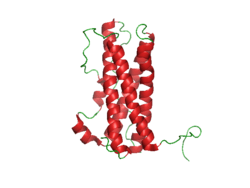
Prolactin Structure. Courtesy Boris TM at Wikipedia.

What Is Hyperprolactinemia?

Hyperprolactinemia is an excess secretion of prolactin hormone causing an elevated blood level that is characterized by its effects on reproduction: in females causing  amenorrhea and in males causing reduced sexual potency.

Q: What is prolactin?

A: Prolactin is a hormone produced by the the anterior pituitary gland that is transported by the bloodstream to stimulate androgen hormone production in male and estrogen hormone production in female sex glands. However, too much prolactin inhibits hormone production of estrogen in women and testosterone in men.

In pregnant females upon delivery of a baby, prolactin stimulates breast development and milk production for the purpose of feeding the infant. Sucking by the infant stimulates the release of prolactin which keeps the milk supply adequate.

Prolactin also promotes autoimmune mechanisms. Prolactin interferes specifically with B cell tolerance induction, enhances proliferative response to antigens and mitogens and increases the production of immune globulins, cytokines and autoantibodies.1

Other conditions that can stimulate prolactin release include nutritional deficiencies, thyroid stimulating hormone (TSH) produced by the pituitary gland, stress, exercise, and anterior pituitary tumors.

What Is An Elevated Prolactin Level In Celiac Disease and/or Gluten Sensitivity?

Sources:
  1. Shelly S, Boaz M, Orbach H. Prolactin and autoimmunity. Autoimmun Rev. 2012 May;11(6-7):A465-70. doi: 10.1016/j.autrev.2011.11.009. []